
Island Uses Farm Rewards to Encourage Screen-Time Limits, Not Lockouts
The app ties farm progress to users’ screen-time goals and offers shared consequences with a friend. Overall daily limits are free; app-specific limits cost $39.99 a year.
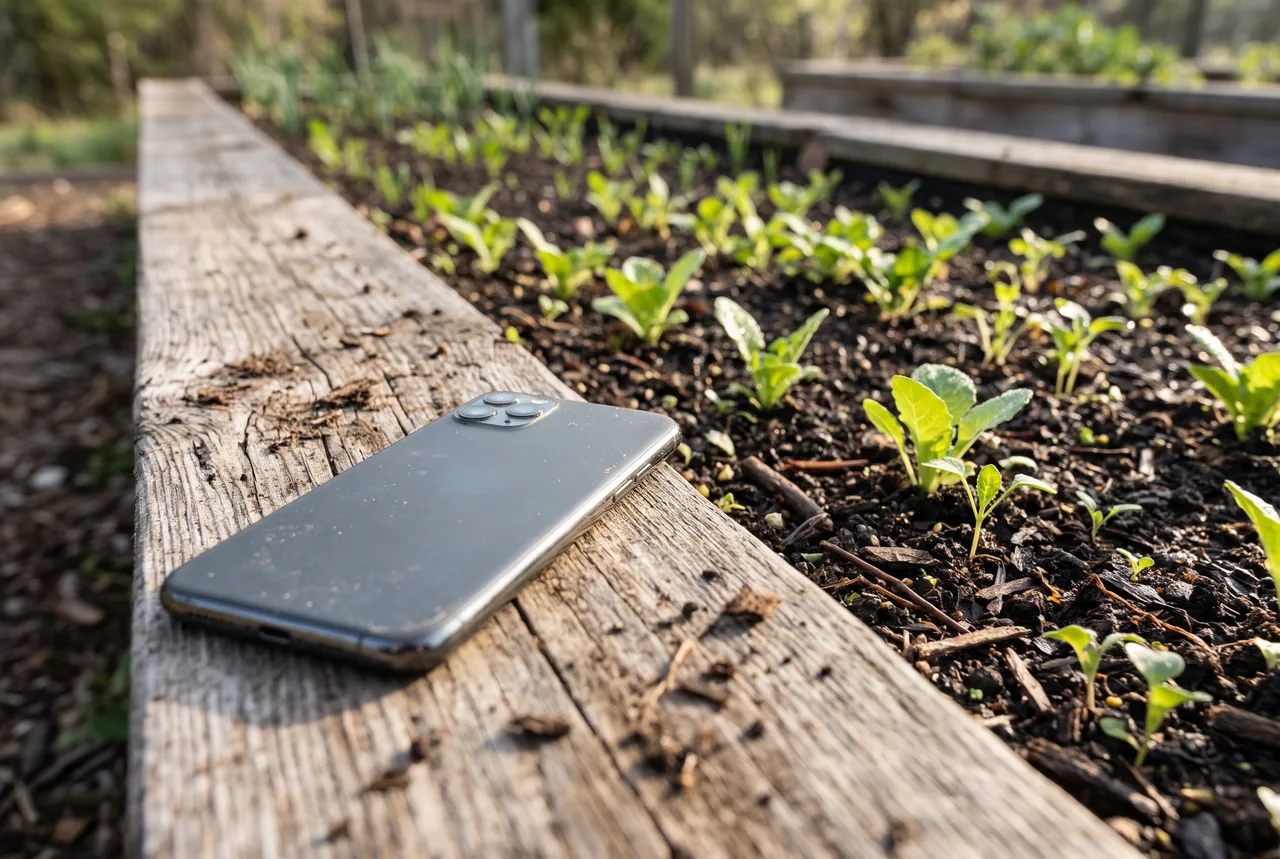
AI-generated illustration by LightNews24.
A farming game built around putting the phone down
Island, a screen-time app that rewards users through a farming game instead of blocking phone access, launched in October. TechCrunch reported the launch on November 16, 2026, following an early testing period.
The approach leaves users responsible for stopping at their chosen limit. Rather than locking them out of apps or their phones, Island gives them an in-game reason to stop.
Meeting screen-time goals improves an in-game credit score—a measure tied to progress on the farm. A better score increases farm production and makes crops, animals and other content available.
Friends can share the consequences
Island also lets users add friends, visit one another’s islands and compete in group challenges. Those features make meeting a personal screen-time goal a social activity, too.
An optional feature creates a more direct link: users can connect their island with one friend’s island. If either person exceeds their limit, both islands face negative consequences.
That adds accountability without changing the basic bargain. Users can still keep using their phones, but doing so can affect a friend’s game progress as well as their own.
Free daily goals, paid app-by-app limits
Island’s free option supports an overall daily screen-time limit. A $39.99-per-year subscription adds separate limits for different apps, making the paid feature relevant to users who want to target particular apps rather than total phone use.
Island says its early data shows 82% of users end their screen time at their chosen limit. That is a company-reported result, not an independently verified finding. For now, the reward system is clear; its effectiveness is less certain.
Share this story
Related Stories

Zoox Robotaxis Join Uber in Las Vegas, Without Direct Booking
Riders requesting several Uber services may be matched with a Zoox vehicle. An app preference can improve their chances, but it does not guarantee a robotaxi.

Spotify Adds AI DJ Voices and Controls for Between-Song Commentary
Premium listeners in existing DJ markets are getting more voice choices and a setting to remove between-song commentary, with the rollout beginning November 10, 2026.
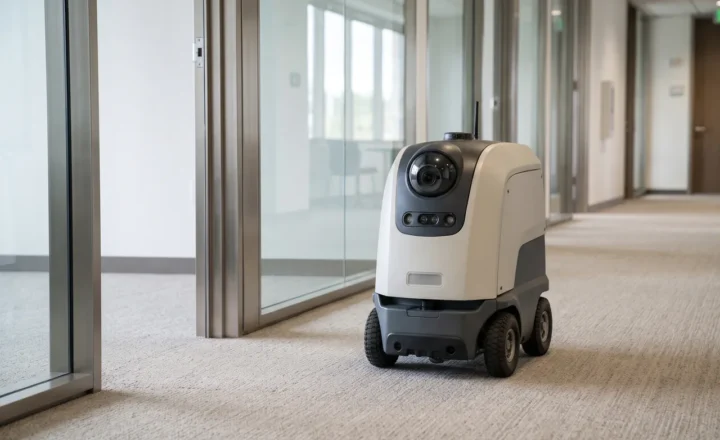
Ring Announces Home Security Drone and Business Patrol Robot
Ring Robotics plans mobile cameras for indoor security, with reported prices of $270 for homes and $1,000 for businesses. The devices have separate launch schedules.

Anthropic Releases Claude Fable 5.2 and Mythos 5.2, Cuts Fable Input Price
Fable’s reported input price falls to $8 per million tokens. Anthropic also claims faster responses, while an optional faster-serving service costs extra.
See an error? Request a correction.