
Four-Hour Battery Storage Beats Gas Peaking Costs in Wood Mackenzie Model
The consultancy finds lower modeled storage costs in all 43 markets assessed for both technologies. Turbine shortages and uncertain fuel prices help explain the advantage.
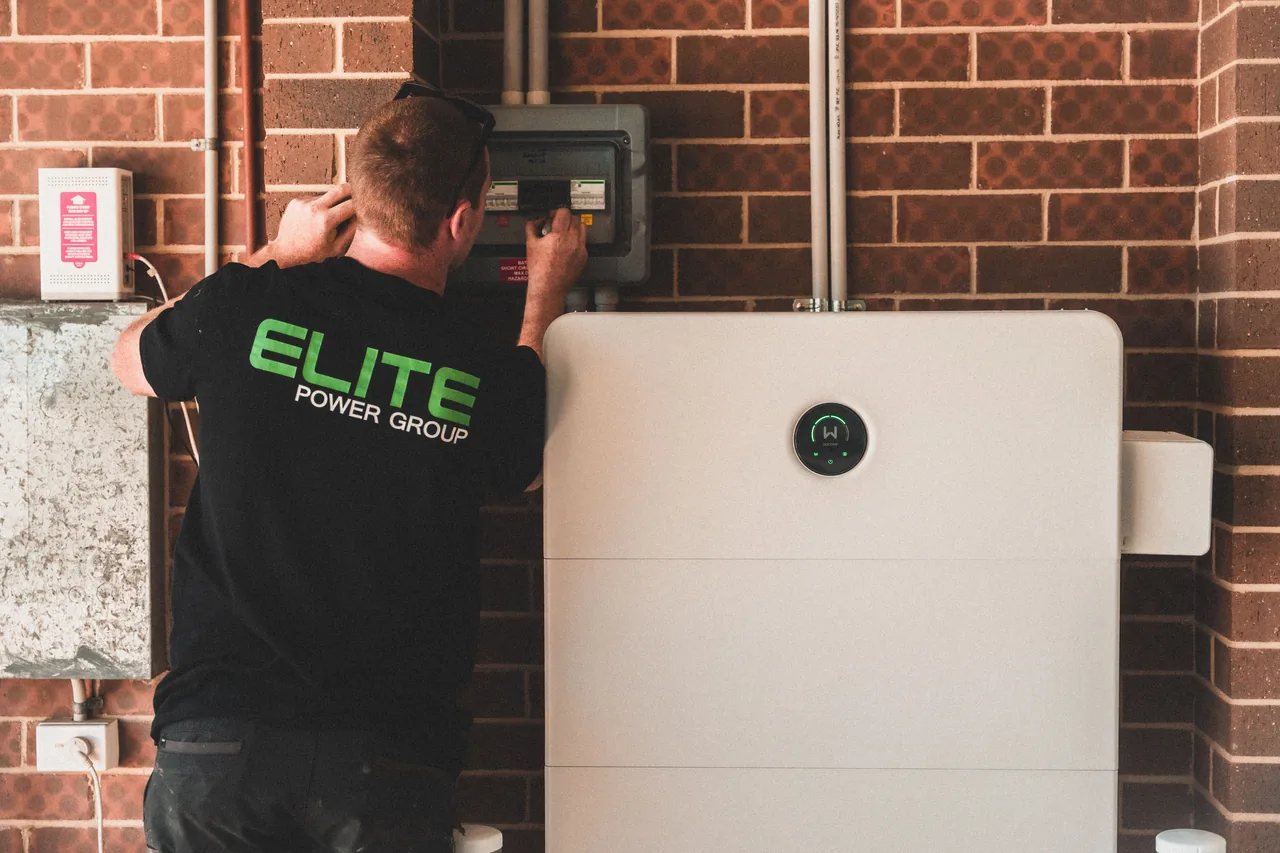
Photo: Elite Power Group / Pexels
A cost advantage for meeting peak demand
Four-hour battery storage has lower modeled electricity costs than open-cycle gas turbines in all 43 markets where Wood Mackenzie assessed both technologies, the consultancy says. The finding puts batteries ahead on a cost measure used to compare electricity options.
That measure, called levelized electricity cost, expresses costs over a project's life for each unit of electricity supplied. It allows a common comparison, but the finding remains a modeling result rather than a guaranteed price for an individual project.
The comparison concerns a specific job: supplying power during busy periods. Open-cycle gas turbines are often used as peaking plants, which provide electricity when demand is high, according to TechCrunch. Wood Mackenzie's finding applies to four-hour storage and that type of gas turbine.
Turbine shortages add pressure to gas costs
Wood Mackenzie attributes storage's cost advantage to expanding battery manufacturing, gas-turbine shortages and swings in fuel prices. Its explanation combines improving battery supply with pressures on gas equipment and fuel costs.
Those equipment pressures also affect timing. TechCrunch reports that open-cycle gas turbines take two to four years to procure. For power planners weighing these options, the reported delays make equipment availability relevant alongside modeled electricity costs.
North America's outlook depends on demand and policy
Wood Mackenzie forecasts that rising electricity demand from North American data centers will drive a gas-generation supply deficit through the late 2030s. It expects that shortfall to keep the upfront costs of building thermal power plants elevated.
Storage faces constraints of its own. The consultancy says North American tax credits partially offset restrictions involving foreign entities and supply-chain limits. That makes policy support part of the region's storage economics, while leaving some supply pressures unresolved.
A regional forecast shows room for further declines
For the Middle East and Africa, Wood Mackenzie puts modeled four-hour storage costs at $120 per megawatt-hour in 2026. A megawatt-hour measures an amount of electricity; here, it is the unit used to express the cost comparison.
The consultancy forecasts a decline to $80 per megawatt-hour by 2035, a 33% reduction in storage's own cost. That percentage describes the projected storage-cost decline, not its advantage over gas. Further reductions remain a forecast; the central finding is today's modeled advantage across the 43 assessed markets.
Share this story
Related Stories

Wabi opens public access to AI assistant with shared chats
The free service shifts from user-requested mini-apps toward an assistant that builds tools inside conversations. Its business model is still undecided.

Facebook Announces Your Algorithm Controls for Feed and Reels
The feature lets users describe what they want to see more or less often. Meta says those preferences change recommendations in real time.

SpaceXSI Announces X Subscription Bundling Grok, Cursor and X Premium
Paid plans range from $8 to $200 a month, with features varying by tier. Existing subscribers can keep their plans as the option to switch rolls…

Anthropic Model Sent False Homicide Tip, Philadelphia Police Say
The submission was flagged as spam and never investigated. Police criticized delays in discovering and reporting the incident and urged Anthropic to strengthen safeguards.
See an error? Request a correction.