
Google launches Playground for creating games through text prompts
The experimental browser platform lets adults in the U.S. create and share games, Google says. Creation access is rolling out based on Google One membership.

A launch with limits on creation access
Google announced its experimental Playground gaming platform on October 7, 2026. The company says users can create games by describing their ideas in a conversational text interface, without coding experience.
Playground launches at playground.google for U.S. users aged 18 and older. Creation access is rolling out in tiers based on Google One membership, so eligibility alone does not mean everyone receives the same creation access.
How Playground turns descriptions into games
Google says creators can begin with their own idea, adapt a starter prompt or use guided support. A prompt is a written instruction describing what the user wants the platform to make or change.
Further prompts can change the game's rules, characters, environments and physics—how objects move and interact. For someone without programming experience, the practical appeal is being able to revise an idea through written directions.
Google says Playground runs in a web browser, with games playable on phones or laptops. Creators can keep a game private, share it through a link or publish it to the Playground Explore gallery. Those options allow private experimentation before broader sharing.
The company also says games support leaderboards, which rank players, and multiplayer gameplay in select genres. That limit matters for creators planning a game people can play together: multiplayer support does not extend to every game type.
Unity Spark remains a planned addition
Google plans to integrate Unity Spark into Playground. Spark is currently in testing, with a closed beta—a limited test before wider availability—coming soon, according to the company.
Google describes the planned addition as bringing professional-level game mechanics and more detailed three-dimensional capabilities. Those are intended features of a future integration, separate from the prompt-based creation and browser play announced at launch.
Share this story
Related Stories

Amazon opens TorchNeuron beta to ease PyTorch use on Trainium
Amazon says developers can move PyTorch applications to Trainium with a basic configuration change. A separate open-source release is planned for Tuesday.

Tesla Sets 2028 Roadster Production Target; Final Prices Still Unannounced
Tesla lists reservation deposits of $50,000 for Performance and $250,000 for Thrust, but its production target does not establish when customers will receive their cars.

Apple sets iPhone Duo preorders for October 16
The foldable iPhone Duo pairs an outer screen with a larger inner display for multitasking. Apple says its Siri AI features are rolling out in an…
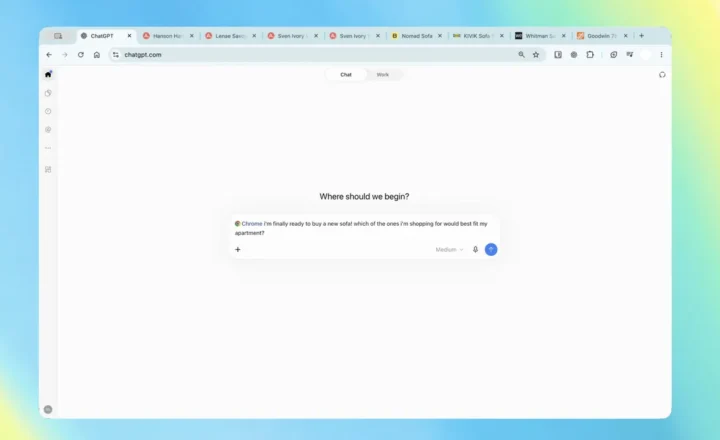
ChatGPT Chrome Extension Adds Open-Tab Answers and Browser Tasks
The update lets users ask questions about open pages and request browser actions through ChatGPT Work, according to supplied reporting.
See an error? Request a correction.